It's not a lie
It's not a lie
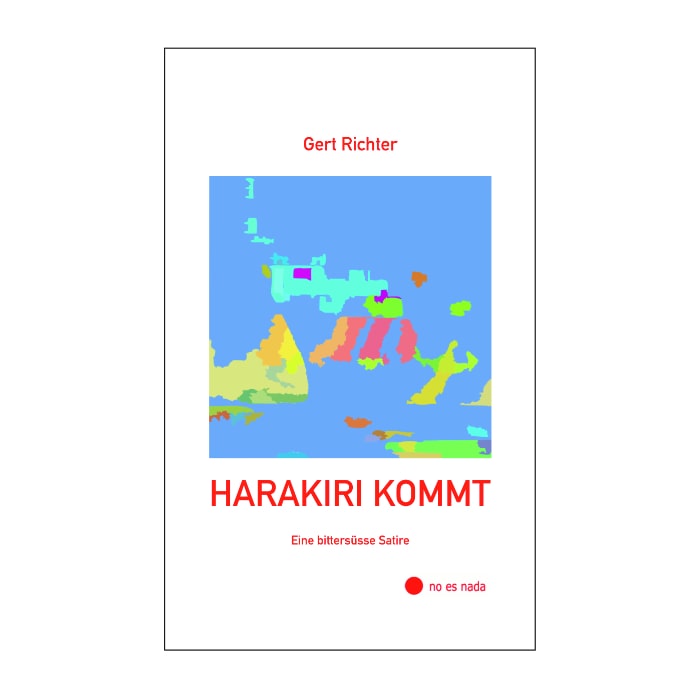
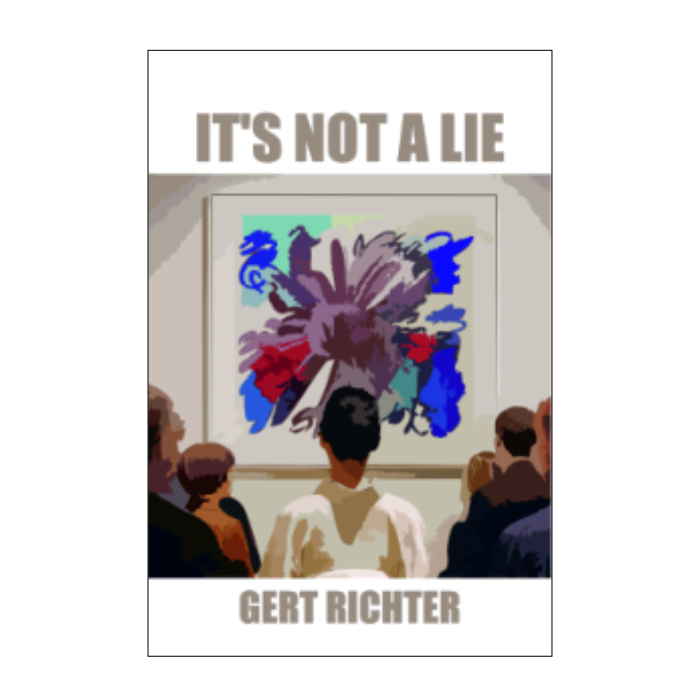
It's not a lie by Gert Richter is the English version of Harakiri kommt.
This novel is a sharp, hilarious satire of the modern art world — and of the very human need to fake it until we believe it ourselves.
When a gossip magazine tries to unmask the reclusive painter Harakiri, a storm of ambition, vanity, and father-daughter chaos sweeps through galleries, headlines, and living rooms alike. Smart, stylish, and wickedly funny, Richter’s novel peels back the glossy surface of art and media to reveal what everyone’s really selling: a good story.
A ruthless magazine, a hidden artist, and one spectacular lie — It’s Not a Lie is a witty, fast-paced satire of fame, fakery, and the modern art world. Part family comedy, part art-world farce, this hilarious satire turns the search for truth into a brilliant, funny story about love, pretence, and second chances.
Review of It's Not a Lie by Gert Richter
**A Clever Satire of the Art World and Media Culture**
Gert Richter's It's Not a Lie is a delightfully clever comedy that skewers the pretensions of the contemporary art world while delivering a surprisingly tender story about family, ambition, and authenticity.
## The Setup
The novel centers on Ottava, a struggling PR consultant who has spent ten years building the mystique around Harakiri, a reclusive Neo-Infantilist painter whose childlike works fetch astronomical prices. The catch? Harakiri doesn't exist—Ottava has been secretly copying his estranged daughter Konstanze's childhood drawings onto large canvases and selling them through gallery owner Isolde Müller.
When tabloid editor Max Wiese threatens to expose 'fake' Harakiri paintings, and Konstanze unexpectedly moves back in with her father, the carefully constructed fiction begins to unravel—leading Konstanze to impersonate Harakiri herself, complete with kimono, wig, and pidgin German-English.
## What Works
*The Satire is Sharp**: Richter has tremendous fun exposing the absurdities of the art world—pretentious critics who see 'raw power' in children's scribbles, bank directors who claim to 'support' artists while making fortunes from their work, and media figures manufacturing scandals for circulation. The scene where Konstanze-as-Harakiri confronts the bank director about who's really sponsoring whom is particularly satisfying.
**The Characters are Endearing**: Despite the farcical premise, Richter creates genuinely likeable characters. Ottava's journey from divorced, broke journalist sleeping in an attic to successful PR consultant is touching. His relationship with Konstanze evolves believably from distant and prickly to mutually respectful. Even secondary characters like Lothar the bartender and Charlotte the drama teacher feel authentic.
**The Pacing is Brisk**: The novel moves quickly, with short punchy scenes that keep the momentum going. Richter wisely doesn't let any sequence overstay its welcome, and the escalating complications feel organic rather than forced.
**The Humor Lands**: From Wiese's signature 'Oioioioioi!' to the running gag about fleeing to Bermuda, the comedy is genuinely funny without being mean-spirited. The climactic 'suicide' at the theatre is both shocking and hilarious.
## Minor Weaknesses
**Occasional Contrivances**: Some plot developments require considerable suspension of disbelief—would no one at multiple public events recognize Konstanze despite minimal disguise? The Japanese ambassador scene resolves almost too conveniently with the fainting trick.
**Supporting Characters Could Be Deeper**: Anja and Sonja, Konstanze's flatmates, remain fairly one-dimensional health-food zealots. Alice, while sympathetic, veers toward caricature with her artistic pretensions and multiple 'uncles.'
**The Romance Subplot**: Konstanze's relationship with journalist Zweifel, while sweet, feels somewhat underdeveloped given how crucial he becomes to the resolution.
## Themes and Heart
Beneath the comedy, Richter explores meaningful themes: the arbitrary nature of artistic value, the corrupting influence of commercialization, the manipulation of truth by media, and most movingly, the possibility of reconciliation between estranged family members.
The novel's emotional core is the father-daughter relationship. Ottava's revelation that he's been saving Konstanze's share of the Harakiri profits, and her insistence on splitting it 50-50, provides a genuinely touching conclusion. The final scene with Alice, where Ottava gives her the Big Bang painting while maintaining the Harakiri fiction, is bittersweet—a small kindness built on a necessary deception.
## Final Verdict
It's Not a Lie is an entertaining, quick-witted novel that works both as farce and as family drama. Richter clearly understands both the art world and the media circus, and he lampoons them with affection rather than contempt. The book asks interesting questions about authenticity and value: If a painting moves people, does it matter who created it or why?
The title is perfectly chosen—throughout the story, characters bend, stretch, and redefine truth without quite breaking it. In the end, the lies told are in service of something genuine: protecting creativity, salvaging relationships, and finding meaning in a world obsessed with surfaces.
**Rating: 4/5 stars**
A smart, funny, surprisingly heartfelt comedy that will appeal to readers who enjoy satirical takes on contemporary culture, con-artist capers with a conscience, and stories about complicated families finding their way back to each other.
*Recommended for fans of: 'The Grifters,' 'Six Degrees of Separation,' and anyone who's ever looked at modern art and thought 'my kid could do that.'*

It's not a lie
Satirical Novel by Gert Richter
Taschenbuch, 152 Seiten
Kindle-Ebook
Bei Amazon ansehen und kaufen
Wenn Sie interessiert sind, Fragen haben, oder dieses Buch bei mir bestellen wollen, schicken Sie mir bitte eine E-Mail. Vielen Dank.